How it works
How selling surplus wire to us works
A short, plain process: you describe the material, we read the tags, we agree a number and a way to move it. No obligation at any step before you accept.
01Step one
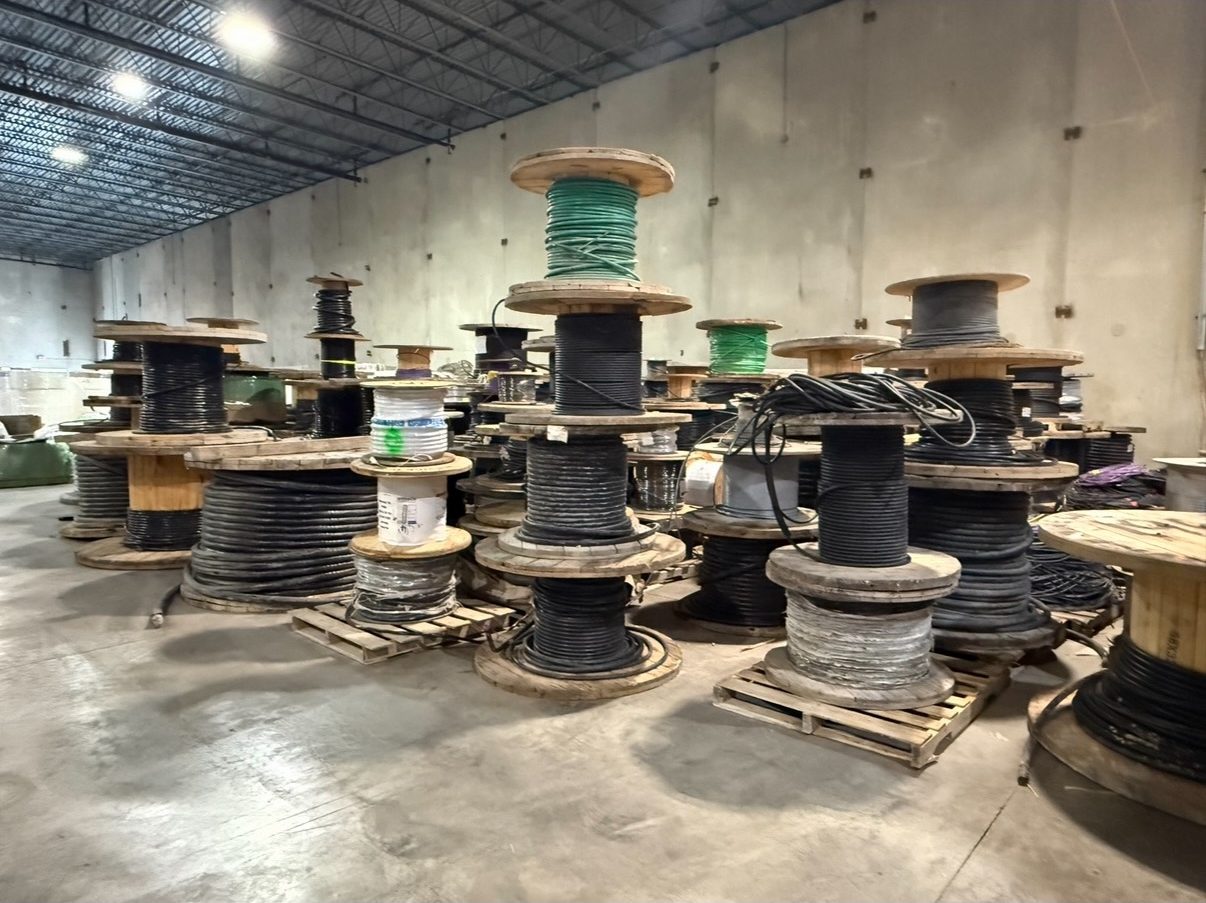
Submit inventory details and photos
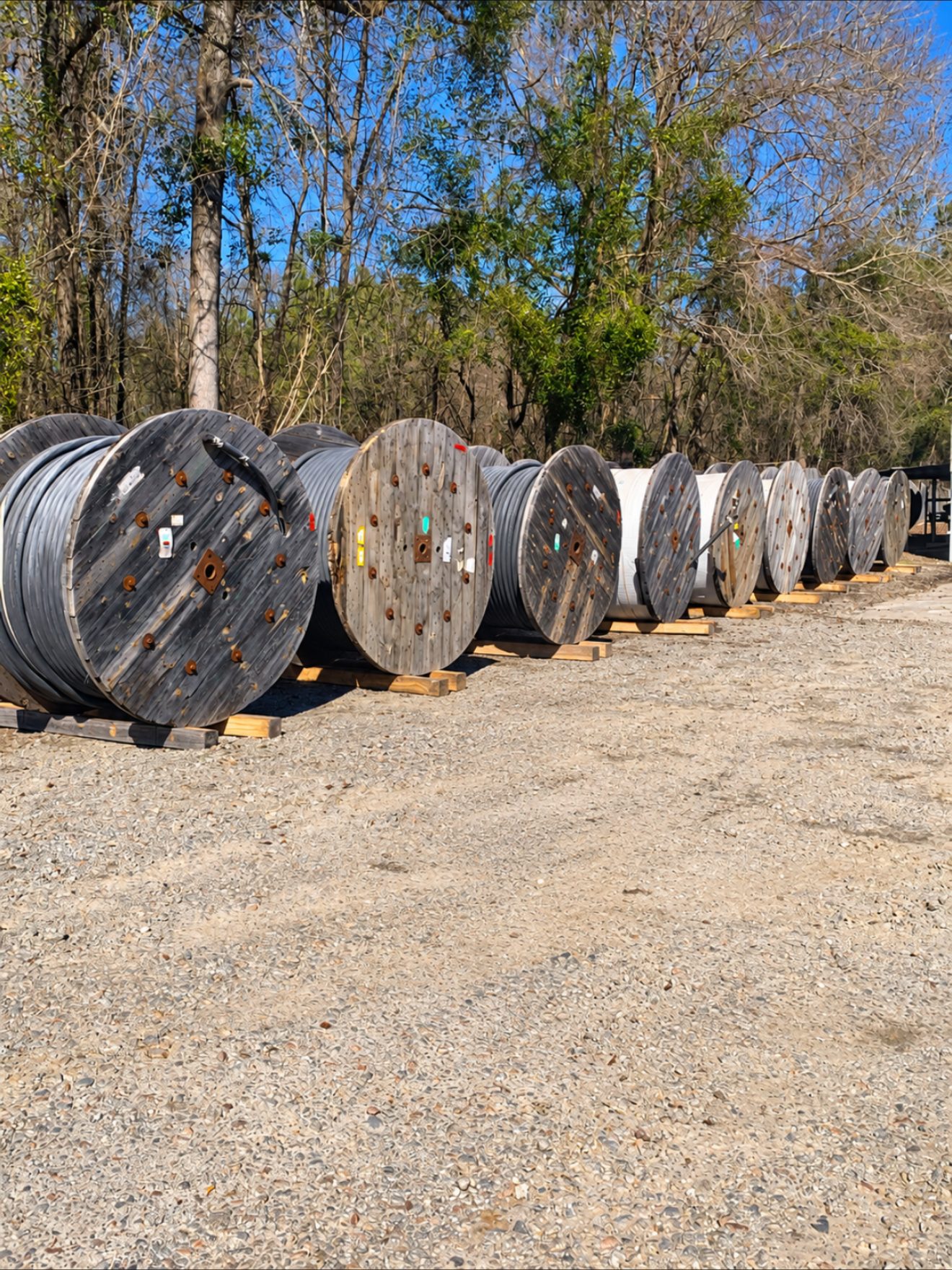
What makes a submission fast
Use the quote form. It asks for the contact details, where the wire physically sits, the wire type, conductor metal, gauge, voltage, conductor count, approximate footage or reel count, condition, packaging, loading access and photos.
You do not need to fill in everything. What you cannot answer, leave blank — but be specific about what you do know. "Twelve partial reels, mostly 12 and 10 AWG THHN, mixed colors, tags readable, indoors in Sheridan" is a submission we can act on in minutes.
- Photos of the reel tags, spool labels or printed jacket legend so the wire type can be read exactly.
- One photo of the whole reel, spool or pallet so quantity and packaging are visible.
- Gauge or MCM, conductor metal (copper or aluminum), voltage rating and conductor count where known.
- Approximate footage, reel count or total weight, plus the condition and how it is stored.
- City and ZIP code where the material sits, plus loading access (dock, forklift, ground level).
02Step two
We review the material
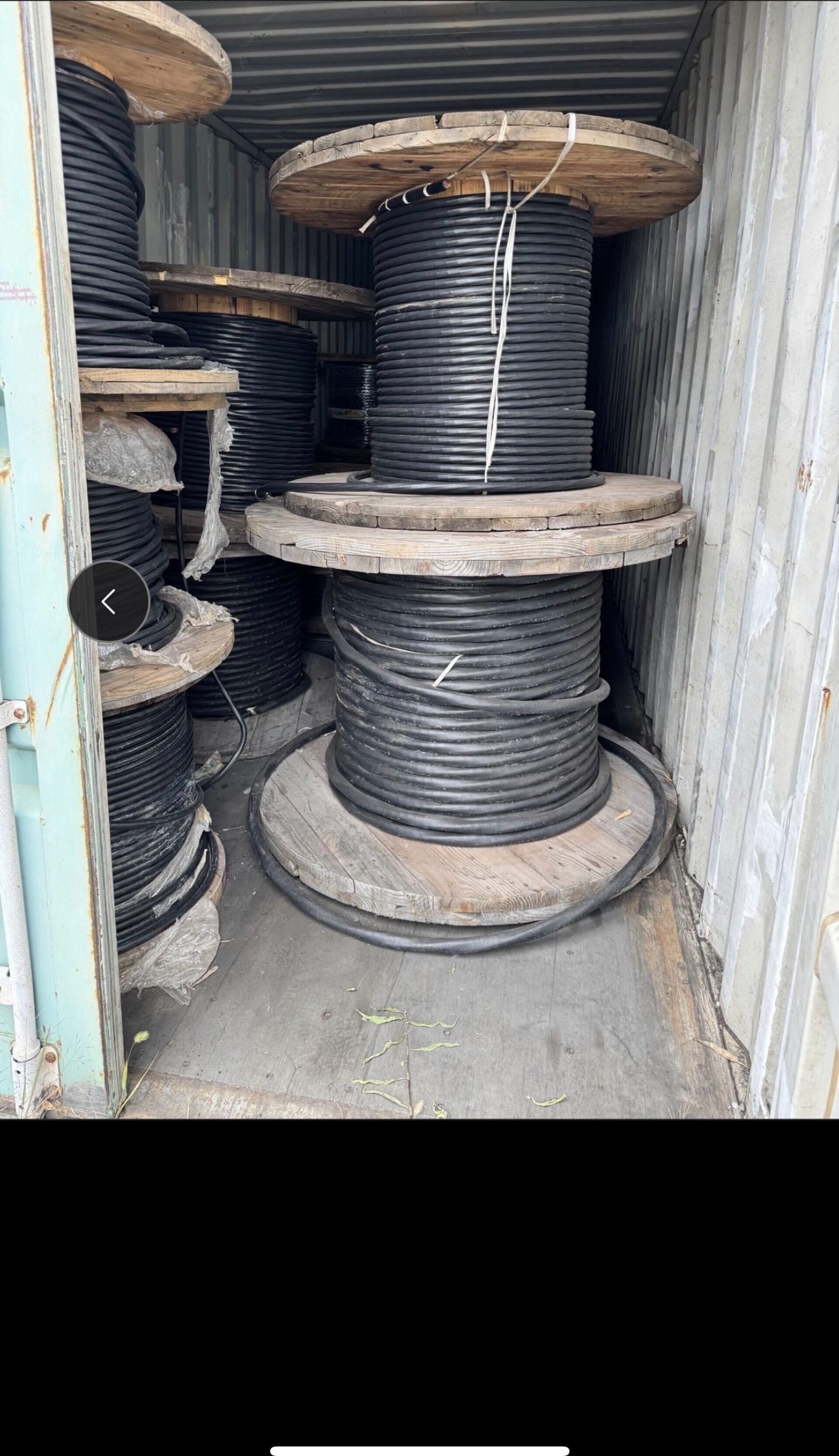
What we actually check
We read the jacket legend and the reel tag to confirm the construction: size, metal, insulation, voltage class and shield where it applies. Then we look at footage, condition and storage, because those decide whether the material has a second use or is only worth its conductor content.
If something does not add up — a tag that says aluminum but a conductor that looks like copper, a partial reel with no footage, a jacket that looks sun-damaged — we ask rather than assume. A quote built on a guess is worse than a slower quote built on facts.
03Step three
We discuss pricing and logistics
Pricing
Each lot is quoted individually. There is no published per-pound price, because two reels of the same size can be worth very different amounts depending on construction, condition and how easily the material can be placed.
If a lot is not workable for us, we say so. If part of a lot is workable and part is not, we will quote the part and explain the rest.
Logistics
For larger lots we arrange pickup at your site. For smaller lots, shipping or a combined route through nearby towns is usually more sensible than a dedicated truck.
We agree who loads, what equipment is on site, whether a dock or forklift is available, and what paperwork your facility needs before anyone arrives.
04Step four
Arrange pickup or shipping when agreed
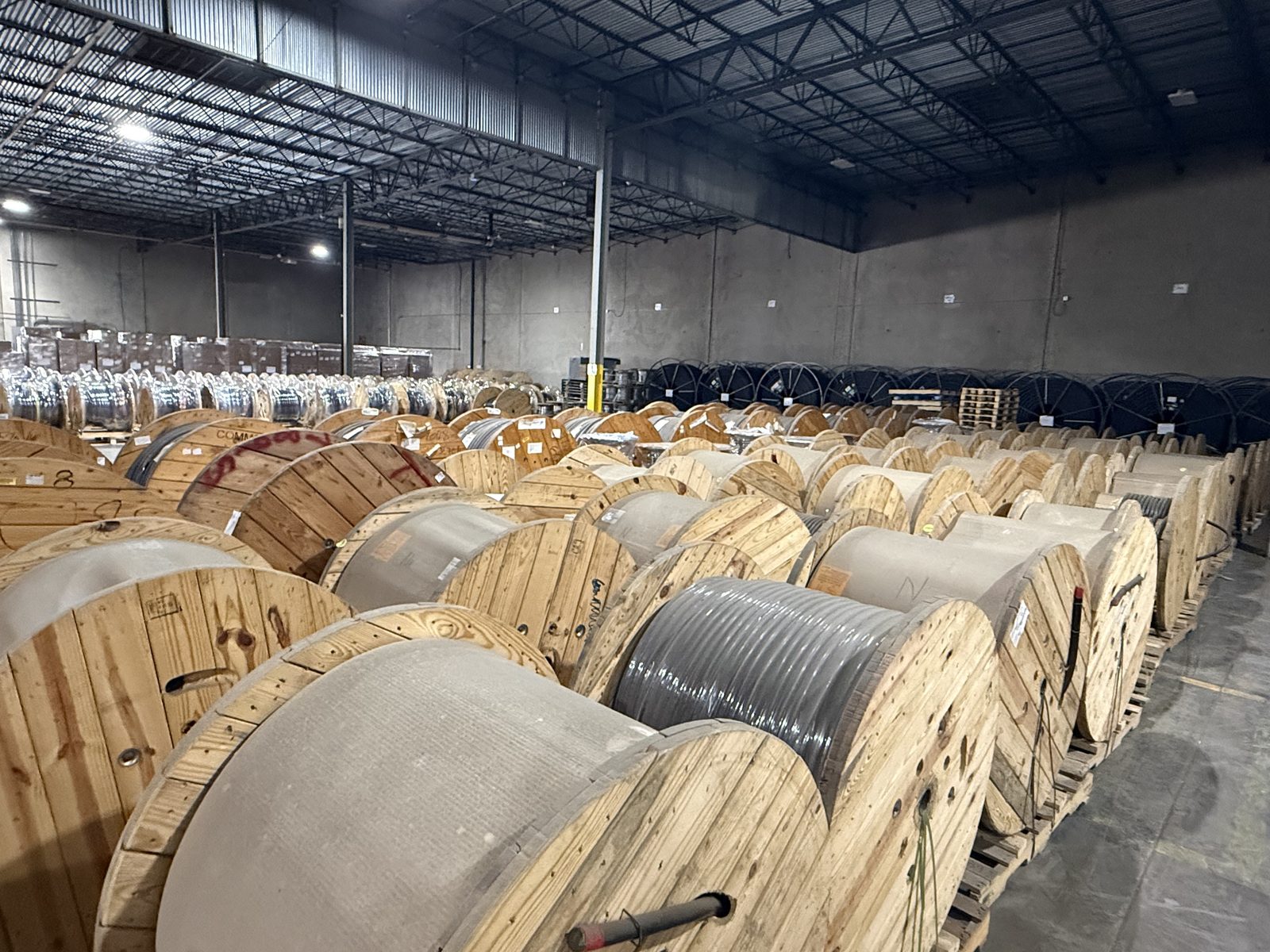
Nothing moves until terms are agreed
Once the quote and the logistics are accepted, we schedule the collection. Reels are secured for transport, weights and dimensions are confirmed, and heavy reels are checked against the equipment available at both ends.
You get a contact for the day of pickup and a clear list of what is being collected, so there is no ambiguity about which reels are leaving and which are staying.
05Expectations
What we will not do
No guarantees before inspection. We do not guarantee that any lot will be purchased, and we do not publish offers that would bind us before we have seen the material. We also do not send unsolicited buyers to your site or ask for access before an agreement.
We also do not buy anything outside wire and cable. If a lot includes transformers, switchgear, breakers, MCCs, generators or general scrap, those items stay with you or go to a different buyer.
Ready to start with step one?
The form takes a few minutes and a phone photo of each tag. That is usually all we need to begin.